In 1992, a demo shook up the established codes of the Amiga demoscene. State of the Art, created by Spaceballs, was not just a technical feat. It was a statement. A visual and audio work that transformed the very perception of what a ‘demo’ could be. A look back at a timeless icon of the demoscene.
A turbulent context
The early 1990s. The Amiga 500 reigns supreme in homes. The demoscene explodes, driven by groups such as Fairlight, Melon Dezign, Kefrens and Andromeda. Each new demo is a show of strength, a challenge to the competition: to do better, faster, smoother, bolder.
But State of the Art, unveiled in December 1992 at The Party, wasn’t playing that game. It wasn’t trying to do more. It chose to do things differently.
A never-before-seen aesthetic
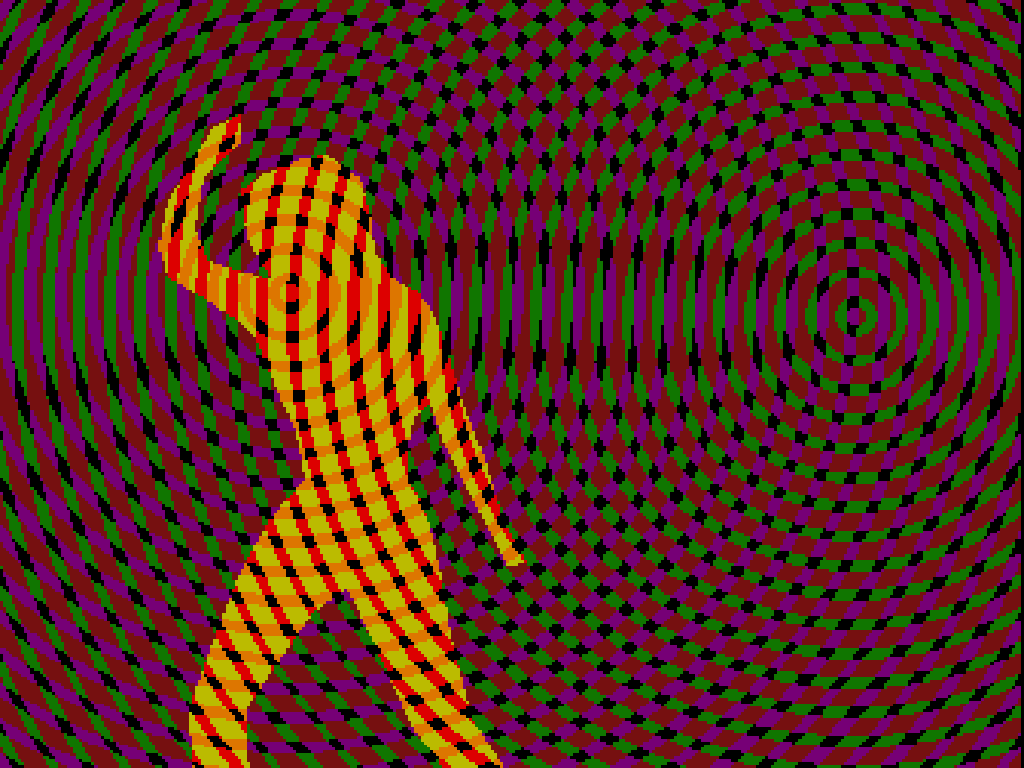
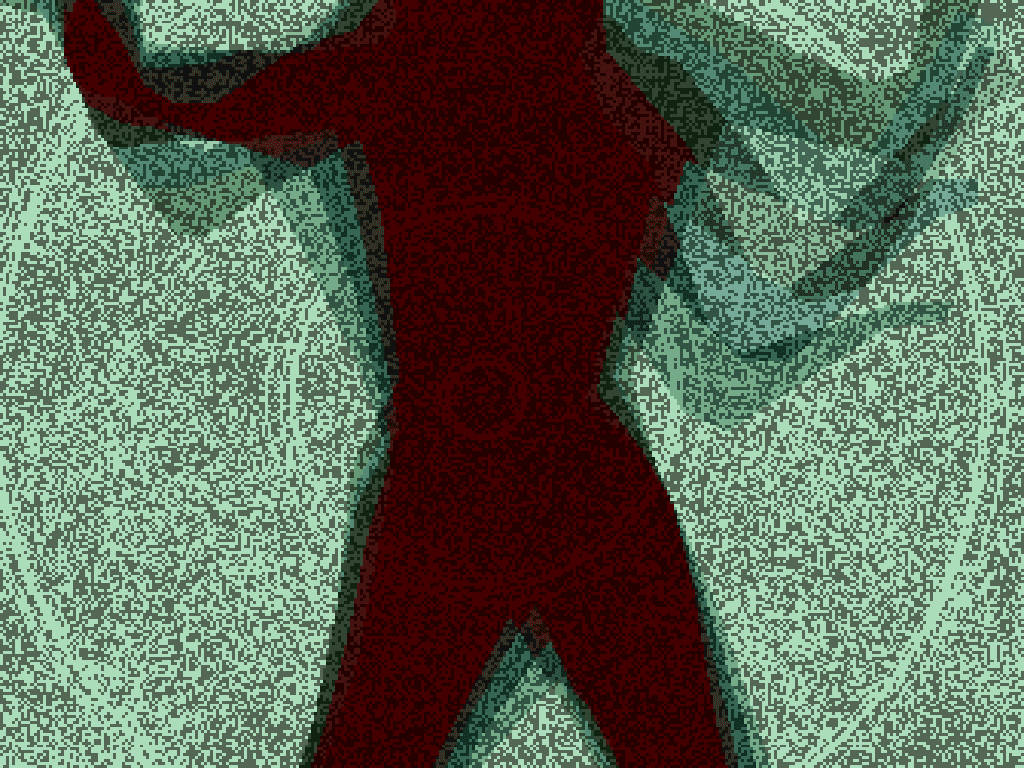
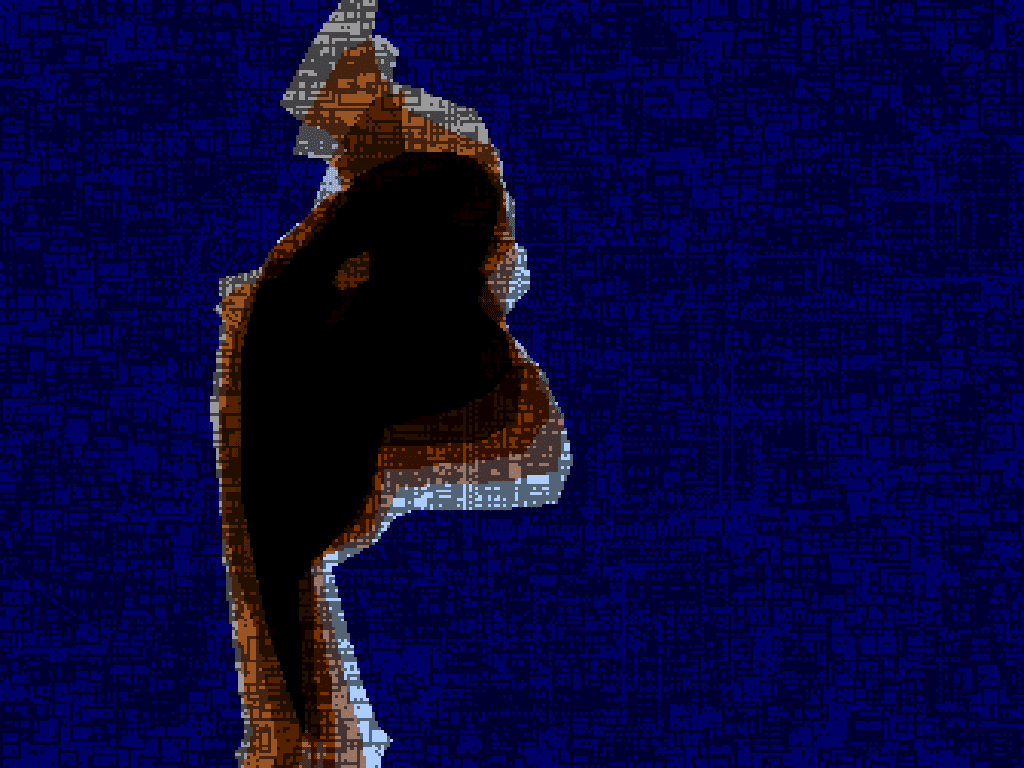
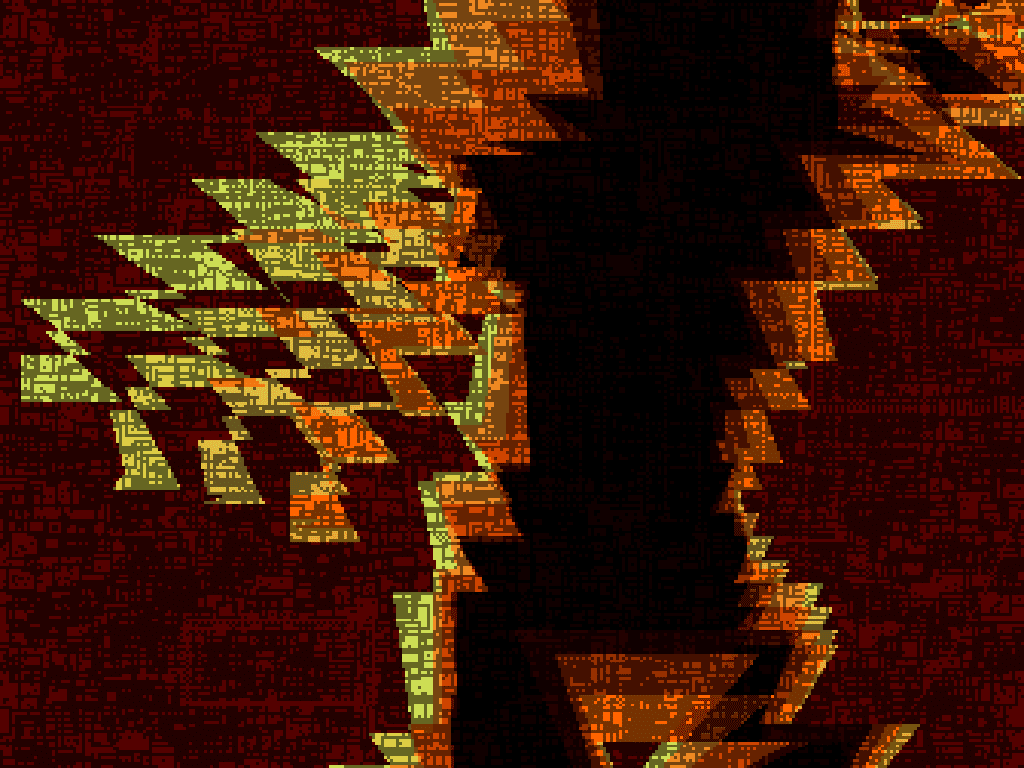
From the very first seconds, the tone is set. Stylised human silhouettes appear, dancing and swaying to the beat of hypnotic techno music. The colours are understated, the movements fluid. It’s halfway between a music video, a contemporary art installation and a futuristic advert.
The effect is immediate: you forget that you’re watching a demo on a simple Amiga 500. What you see is as much about graphic design as it is about code. That’s the strength of State of the Art: it imposed a new visual language at a time when demos mainly competed with scrolling and Copperbars.
Behind the magic lies technical prowess
Technically, State of the Art is a demonstration of absolute mastery. The silhouettes are created using rotoscoping: a process that involves redrawing filmed videos frame by frame. But here, everything is compressed and optimised to run in real time on an Amiga 500 with 1 MB of RAM.
No accelerator card, no cheating. Everything is skilfully orchestrated by ultra-optimised routines. The music/visual synchronisation is incredibly precise, long before the term ‘VJing’ entered everyday language.
A cult soundtrack
The music, composed by Travolta, is also revolutionary. Far from classic chiptunes or orchestral pieces, State of the Art opts for a minimalist and heady techno beat, close to the rave sounds of the time.
The track gives the project its coherence. It doesn’t just accompany the images: it carries them. It’s an inseparable whole. Even today, it continues to feature in retro playlists and is the subject of remixes and live covers at festivals dedicated to the scene.
The shockwave in the scene
When it was presented at The Party ’92, the demo caused a sensation. The audience applauded, cheered, and some were left speechless. No one expected this. Not a work so different, so refined, and yet so striking.
From then on, State of the Art became a benchmark. It influenced the logical follow-up: 9 Fingers in 1993, even more ambitious visually. Numerous subsequent demos sought to combine graphic design and visual storytelling. Digital artists and videographers were also seduced by this stylised aesthetic.
This kind of demo is much more than just a programme. It is a cultural artefact, a moment frozen in time, at the crossroads of art, code and music.
It is also this type of creation that drives us to document, archive and pay tribute to an entire scene – that of the 1980s and 1990s – whose impact remains immense, even in today’s digital landscape.
Related
Leave a Reply
We use cookies on our website to give you the most relevant experience by remembering your preferences and repeat visits. By clicking “Accept”, you consent to the use of ALL the cookies.
This website uses cookies to improve your experience while you navigate through the website. Out of these, the cookies that are categorized as necessary are stored on your browser as they are essential for the working of basic functionalities of the website. We also use third-party cookies that help us analyze and understand how you use this website. These cookies will be stored in your browser only with your consent. You also have the option to opt-out of these cookies. But opting out of some of these cookies may affect your browsing experience.
Necessary cookies are absolutely essential for the website to function properly. These cookies ensure basic functionalities and security features of the website, anonymously.
Cookie
Duration
Description
cookielawinfo-checkbox-analytics
11 months
This cookie is set by GDPR Cookie Consent plugin. The cookie is used to store the user consent for the cookies in the category "Analytics".
cookielawinfo-checkbox-functional
11 months
The cookie is set by GDPR cookie consent to record the user consent for the cookies in the category "Functional".
cookielawinfo-checkbox-necessary
11 months
This cookie is set by GDPR Cookie Consent plugin. The cookies is used to store the user consent for the cookies in the category "Necessary".
cookielawinfo-checkbox-others
11 months
This cookie is set by GDPR Cookie Consent plugin. The cookie is used to store the user consent for the cookies in the category "Other.
cookielawinfo-checkbox-performance
11 months
This cookie is set by GDPR Cookie Consent plugin. The cookie is used to store the user consent for the cookies in the category "Performance".
viewed_cookie_policy
11 months
The cookie is set by the GDPR Cookie Consent plugin and is used to store whether or not user has consented to the use of cookies. It does not store any personal data.
Functional cookies help to perform certain functionalities like sharing the content of the website on social media platforms, collect feedbacks, and other third-party features.
Performance cookies are used to understand and analyze the key performance indexes of the website which helps in delivering a better user experience for the visitors.
Analytical cookies are used to understand how visitors interact with the website. These cookies help provide information on metrics the number of visitors, bounce rate, traffic source, etc.
Advertisement cookies are used to provide visitors with relevant ads and marketing campaigns. These cookies track visitors across websites and collect information to provide customized ads.